
Problems We Solve
Identify your geohazard and understand how GSI can help — from falling rock and moving slopes to erosion and ground settlement.
Geohazard problems
Rarely improve on their own.
Geohazard problems can develop gradually or appear without warning — creating safety risks, road closures, and costly damage to infrastructure. Whether you're dealing with falling rock, a moving slope, erosion, or ground settlement, these conditions rarely improve on their own. New Zealand's steep terrain, high rainfall, and seismically active geology make it one of the most geohazard-prone countries in the world — and the consequences of inaction are rarely limited to the immediate site.
Rockfall threatens state highways, rail corridors, and coastal communities across the West Coast, Canterbury, and Hawke's Bay ranges. Slope failures — triggered by heavy rain, earthquakes, or gradual weathering — are the leading cause of road closures on the New Zealand state highway network. Ground settlement affects structures on soft soils in coastal and low-lying areas, and on land-filled ground throughout urban New Zealand. Erosion from rivers, streams, and exposed cut faces undermines roads, bridges, and infrastructure foundations every year.
GSI NZ responds to all of these problems — from 24/7 emergency callouts to planned, fully engineered long-term solutions. Our design-build model means the same geotechnical engineers who assess your hazard design the solution and supervise its construction, under one contract with one point of accountability. We are pre-qualified with NZ Transport Agency Waka Kotahi for State Highway geotechnical and slope works, and hold SiteWise Gold accreditation. Use the categories below to identify your issue and understand how GSI can help.
IDENTIFY YOUR PROBLEM
Select the geohazard type affecting your site to understand the risks and how GSI can help.
Rockfall Risk
Falling and rolling rock threatening roads, structures, and infrastructure from unstable cliffs and slopes.
Learn more →Slope Instability
Moving slopes, landslides, and embankment failures on natural or engineered faces threatening infrastructure and communities.
Learn more →Erosion Control
Progressive material loss through seepage, scour, and surface erosion undermining roads, bridges, and infrastructure foundations.
Learn more →Ground Settlement
Foundation movement, subsurface voids, and ground subsidence causing structural damage and costly damage to buildings and utilities.
Learn more →New Zealand's Geohazard Challenge
New Zealand sits on the boundary of the Pacific and Australian tectonic plates — making it one of the most seismically active countries in the world. Combined with intense rainfall from westerly weather systems, steep terrain shaped by glaciation and tectonic uplift, and a transport network that depends heavily on vulnerable mountain and coastal corridors, New Zealand has a geohazard exposure that is exceptional by any global measure.
Cyclone Gabrielle in 2023 alone triggered thousands of slope failures across the North Island, closing state highways for weeks and cutting off entire communities. The Alpine Fault — due for a major rupture — will trigger widespread rockfall and liquefaction across the South Island when it does. And the ongoing effects of progressive weathering, groundwater, and land-use change mean that geohazard risk is increasing across New Zealand, not decreasing.
GSI NZ was established specifically to address this challenge — bringing deep-specialist geotechnical engineering capability to New Zealand's most demanding terrain. We work across the full range of geohazard types, from state highway emergency response through to planned long-term mitigation for infrastructure owners, territorial authorities, and private landowners.
Recent Projects
A sample of recent geohazard engineering projects across New Zealand.
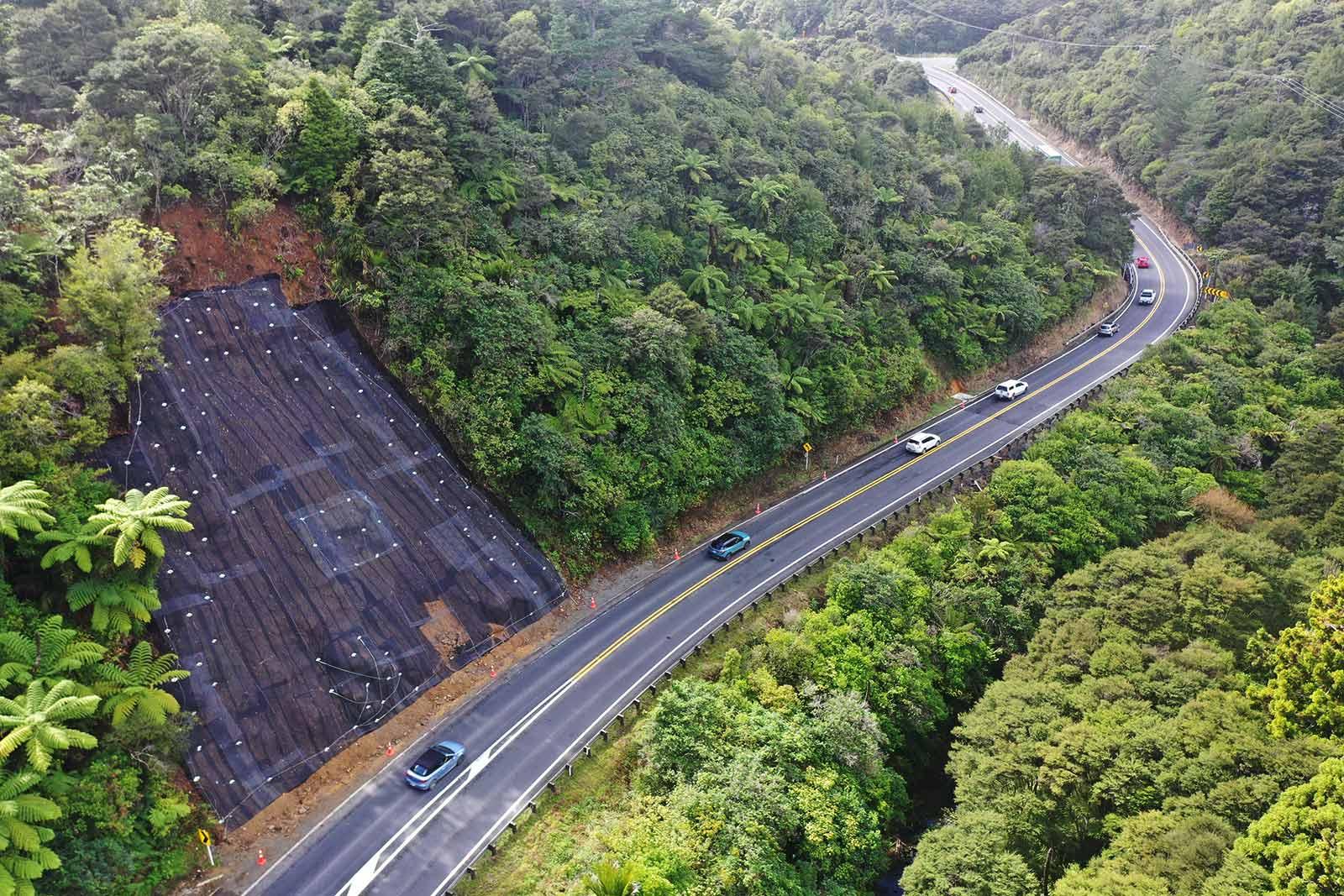
Dome Valley — SH1
Rockfall stabilisation via helicopter access and rope access — 118 rock anchors, 790 m² TECCO mesh.
View Project →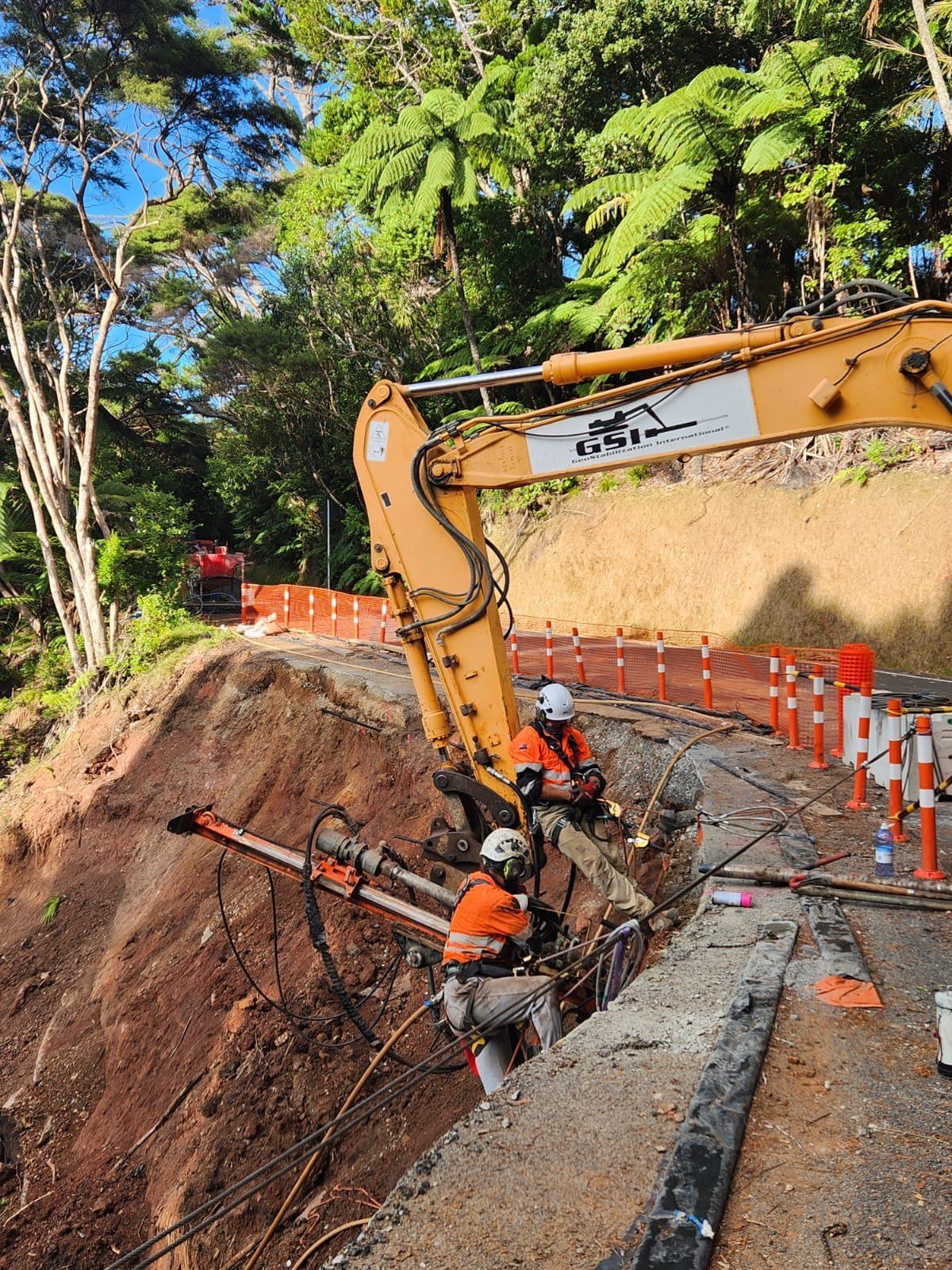
Lone Kauri & Karekare
Eight Cyclone Gabrielle slip sites repaired simultaneously — 2,647 m soil nails, 881 m² shotcrete.
View Project →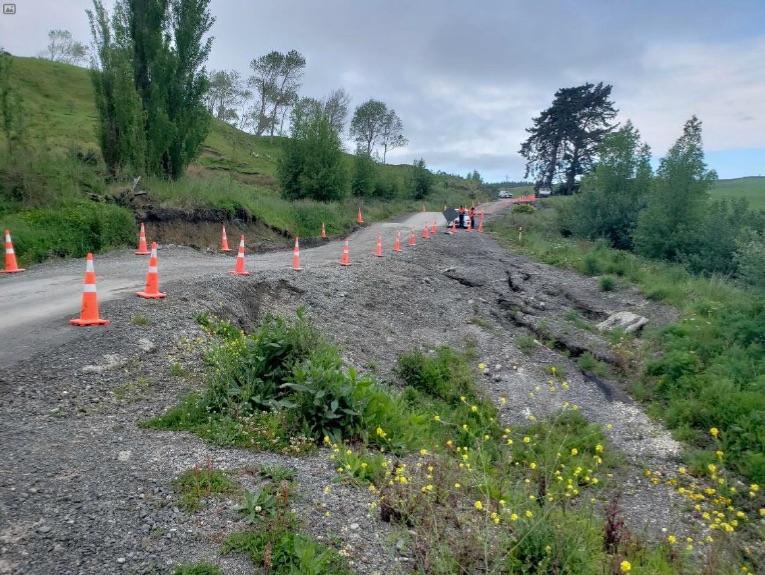
Wimbledon Road
126 deep soil mixing columns — cost-effective alternative to piling for a rural road landslide.
View Project →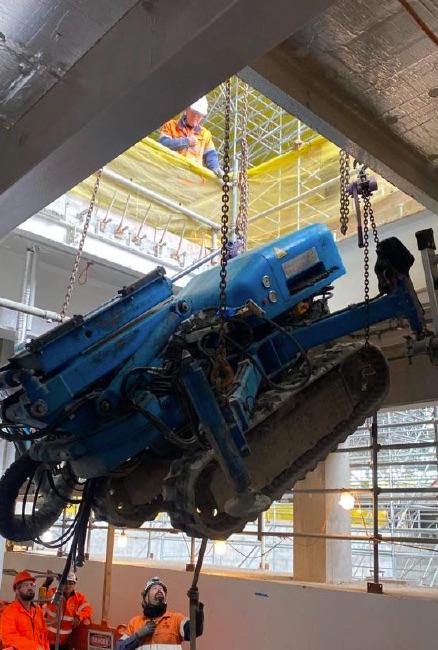
Metrosports Christchurch
107 jet grout columns to 15 m beneath a partially completed structure — zero structural incidents.
View Project →Why Geohazards Don't Wait
Most geohazard problems worsen progressively. The cost of inaction compounds.
01
Progressive Deterioration
Weathering, groundwater, and repeated loading weaken slopes and rock faces over time. Each rainfall event or seismic tremor advances the process. Problems that could have been resolved with targeted intervention become major failures requiring far more extensive — and expensive — solutions.
02
Infrastructure Dependency
New Zealand's roading, rail, and utilities networks pass through some of the country's most geohazard-prone terrain. A single slope failure or rockfall event can close a state highway for days or weeks — triggering economic costs far exceeding the cost of proactive mitigation.
03
Regulatory and Liability Exposure
Infrastructure owners and local authorities have a duty to manage known hazards. Documented evidence of a known risk — and inaction — creates significant legal and financial exposure in the event of an incident. Early intervention is not just technically prudent, it is legally defensible.
04
Compounding Remediation Cost
The further a geohazard develops, the more complex and costly the solution becomes. Emergency response under pressure costs significantly more than planned intervention. Proactive assessment and staged mitigation almost always delivers better outcomes at lower total cost.
FREQUENTLY ASKED QUESTIONS
Get in Touch
Not Sure Where
to Start?
Describe what you're seeing and our engineers will help identify the right solution. A free site assessment is the fastest way to get clarity.
Describe Your Problem