
STICKING DOORS & WINDOWS
Doors and windows can show movement before anything else does. If yours have started to stick, a free assessment will tell you whether the ground is the cause.
Noticed your home moving? Get a free engineering assessment.
WHEN DOORS AND WINDOWS STOP WORKING
Frames are sensitive to small changes in a building's shape, so they can be one of the first places movement shows. These are the signs people usually notice.
Doors That Stick or Rub
A door that used to close easily and now catches on the frame or the floor.
Windows That Are Hard to Open
Sashes that bind, or latches that no longer line up with their catches.
Gaps at the Top or Side of a Frame
A gap that is wider on one side than the other can show the frame has shifted out of true.
Doors That Swing on Their Own
A door that drifts open or shut by itself may be hanging in a frame that is no longer plumb.
Frames That Look Out of Square
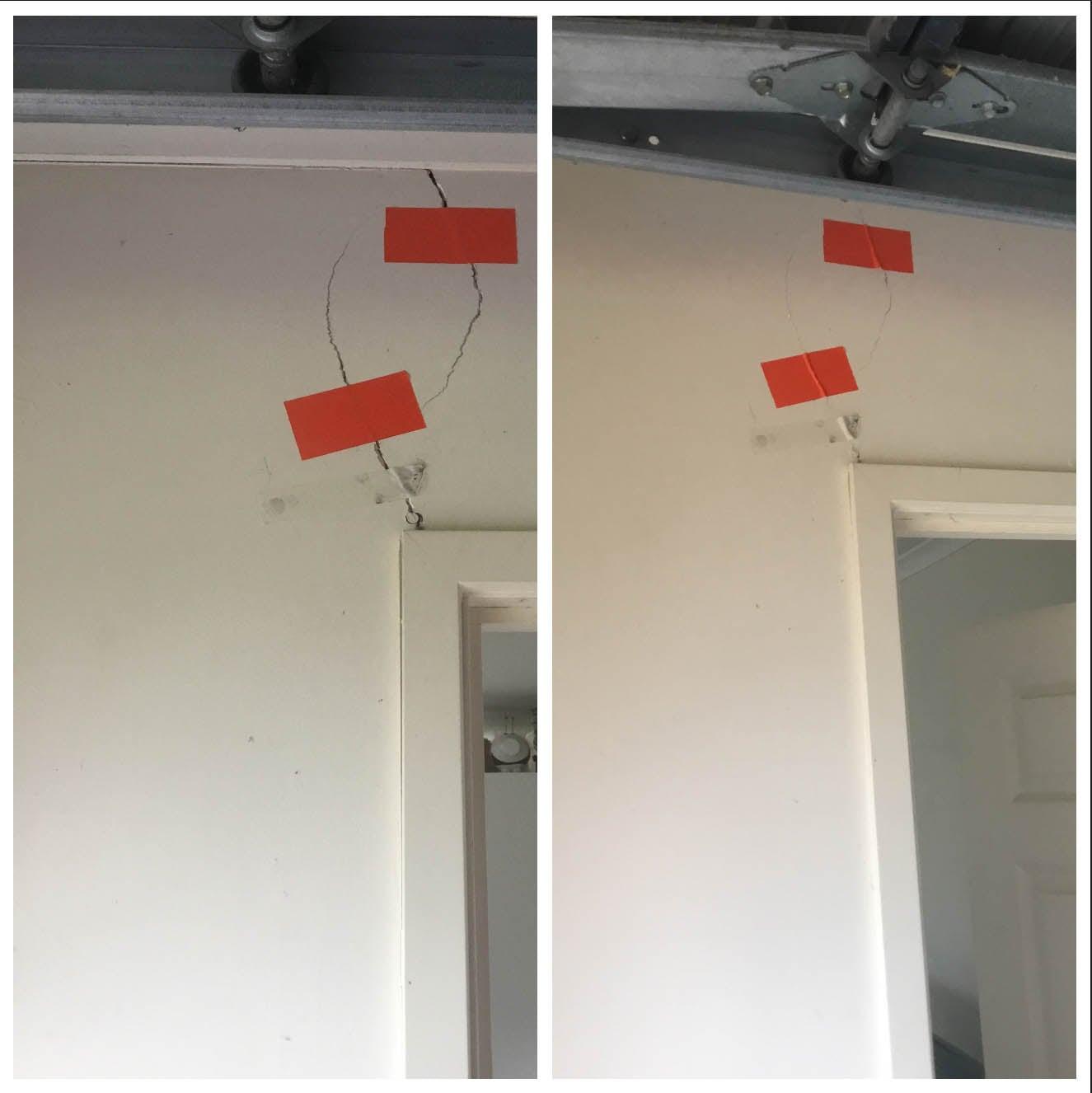
Corners that no longer meet at a right angle, sometimes with cracks running from the corners of the opening.
WHY DOORS AND WINDOWS STICK
Not every sticking door is a foundation problem, so we look at the cause before recommending any work.
Differential Settlement
When one part of the foundation moves more than another, the building can rack slightly and frames go out of square.
Voids Beneath a Slab
Erosion beneath a concrete slab can leave voids, reducing support and letting the floor and walls above drop.
Seasonal Movement
Timber swells and shrinks with humidity, so a door that sticks only in wet weather and frees up again is often not a foundation issue.
Storm and Saturation Events
Heavy rain can soften supporting soil, so doors that worked normally can start sticking soon after.
Water and Drainage
Leaking or failed drainage, or stormwater directed towards the foundation, can soften and wash out supporting soil.
WHEN TO GET IT CHECKED
A door that sticks only in damp weather is often just timber. These are the signs that point further.
- Sticking started suddenly or after a storm
- Several doors or windows are affected, in different parts of the house
- You also see wall cracks or uneven floors
- The problem keeps getting worse
- The door sticks all year round, not just in wet weather
Heavy rain can trigger movement too. Read our guide on subsidence after a storm.
A simple check
Check the gaps before you call
- Close the door and look at the gap around it. It should be roughly even on every side.
- Photograph the gap with a ruler beside it, and note the date.
- Check again after heavy rain, and send us the photos if anything has changed.
OUR PROCESS
HOW WE FIX IT
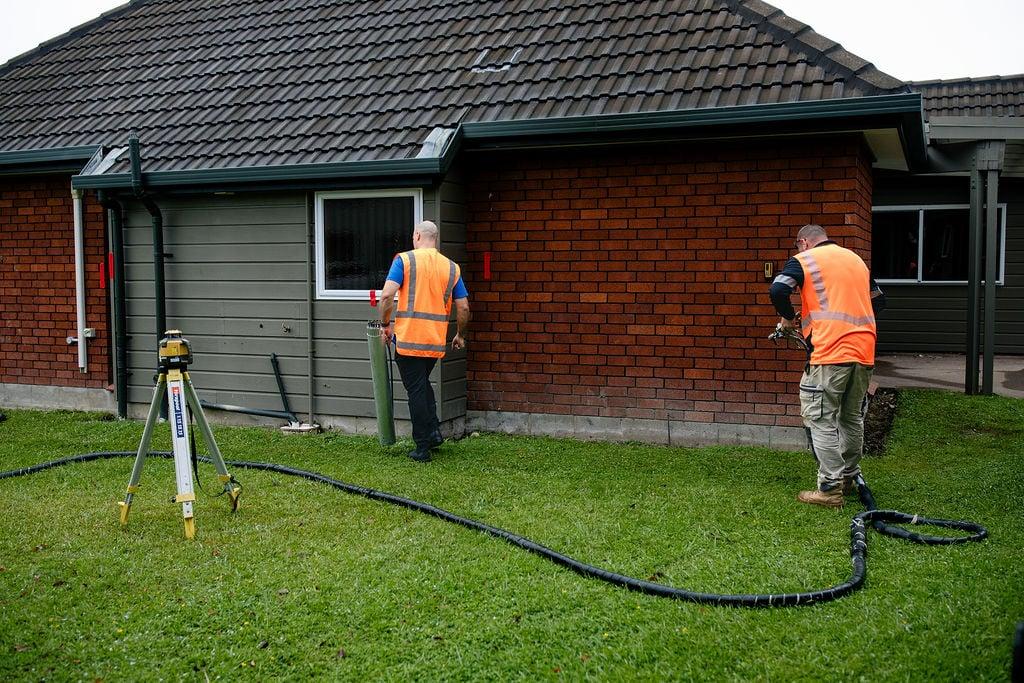
A sticking door is a symptom, so we look at what the ground and foundation are doing rather than at the door. If settlement is the cause, resin can be injected beneath the slab or foundation to improve the ground and correct shallow settlement, with minimal disruption to the household. Sites that need more may call for engineered underpinning or piling, and the assessment decides which. Once the structure is stable, doors and windows can be eased or re-hung. Most residential jobs take one to three days on site.
- STEP 1
GET IN TOUCH
Tell us which doors or windows are sticking and whether it happens all year or only in wet weather. We will talk it through and say whether a site assessment is the right next step.
- STEP 2
FREE SITE ASSESSMENT
A Regional Engineer visits at no charge. They look at how the building has been moving, what the soil and drainage are doing, and where the affected doors, windows and cracks sit.
- STEP 3
DESIGN & PROPOSAL
You get our findings, the proposed engineered solution, and a clear breakdown of scope and cost. Nothing is assumed going in, every recommendation has to earn its place on engineering grounds.
- STEP 4
WE DELIVER
Our own crews carry out the work under engineering supervision, using the method chosen for your site. Once the structure is stable, doors and windows can be eased or re-hung.
- STEP 5
POST-PROJECT REVIEW
We follow up after the work is done to confirm the outcome and answer any questions that come up. The warranty means it's still our problem if something resurfaces later, not yours.
Our warranty
Every job finishes with a 12-month design and build warranty on the workmanship itself, not just the materials used.
GOOGLE REVIEWS
WHAT HOMEOWNERS SAY
Excellent service! Made time for a prompt assessment. Provided unbiased, honest, and complete advice. Absolutely felt that they had our best interests at heart.
These guys were awesome. They were highly professional and friendly and made every effort to go quietly around our house/worksite. We are more than happy with the job.
David and his team are professional with great communication. Explaining the process with continious updates. Finished the job sooner then anticipated. I couldn't have wished for a more streamlined process. Thank you David and will recommend going forward.
SEEING SOMETHING ELSE AROUND YOUR HOME?
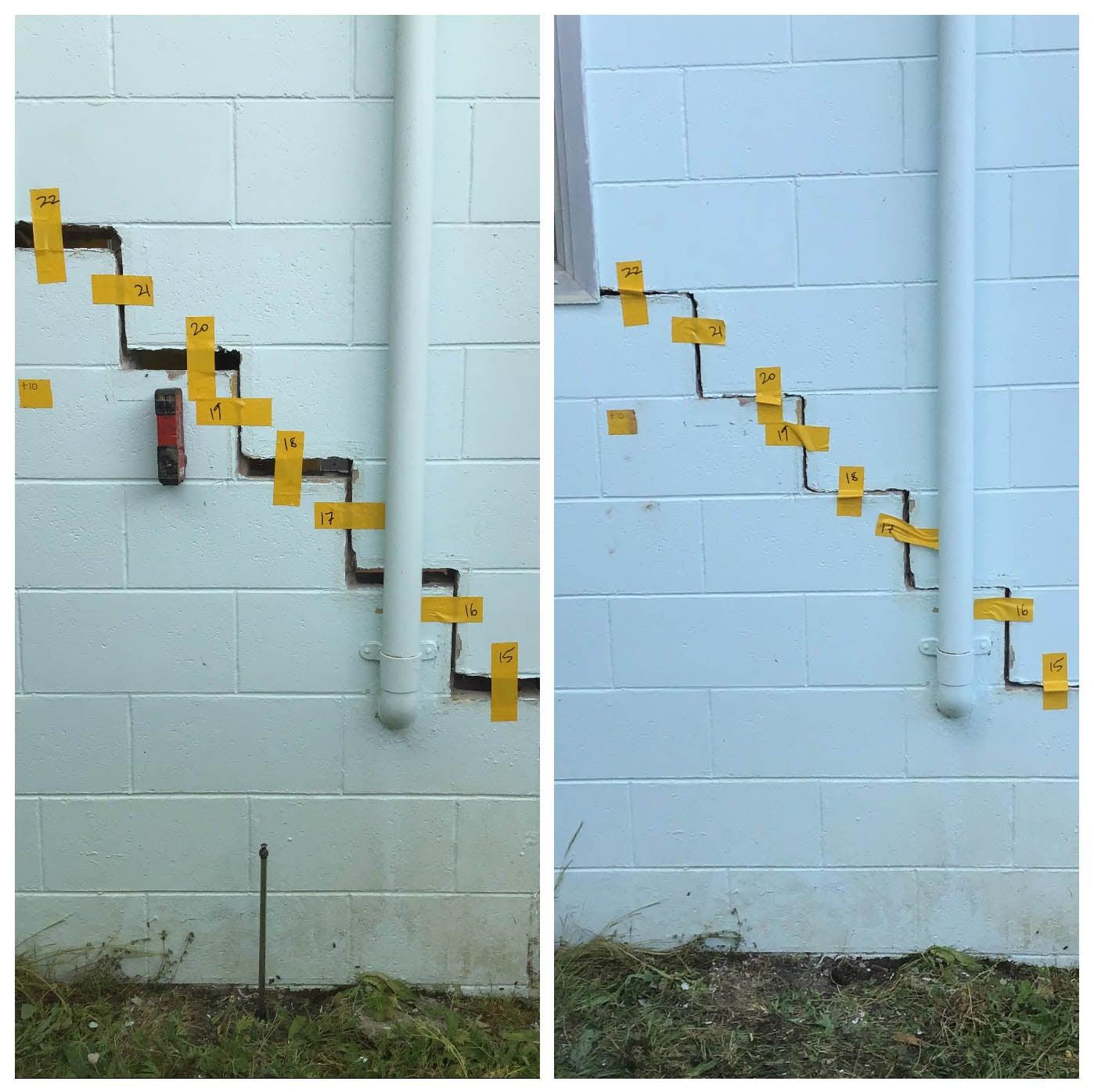
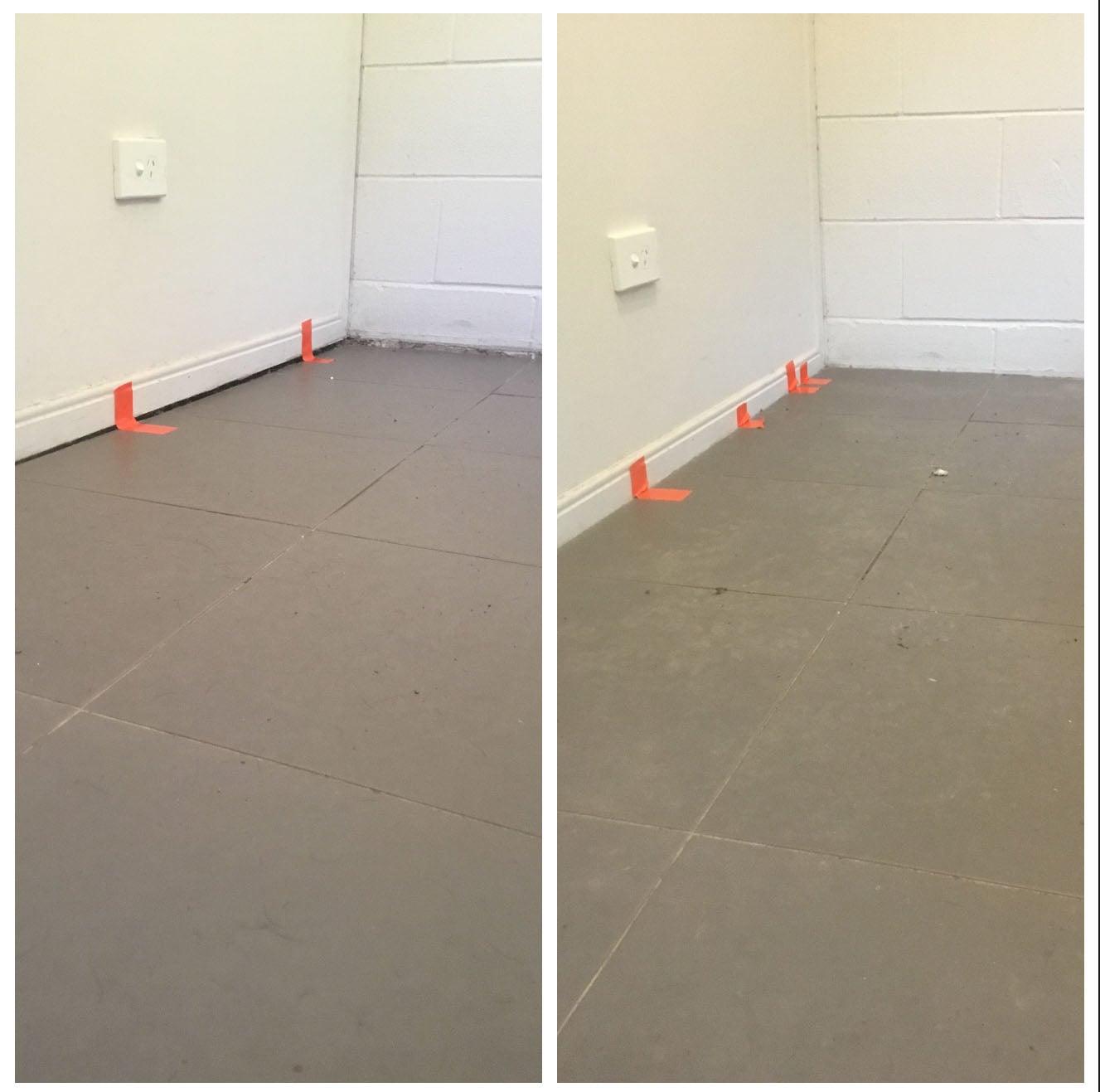
Ground movement shows up in different ways. These are the other signs we assess.
Get in Touch
Sticking Doors?
Know Why.
Start with a free residential site assessment. A Regional Engineer will tell you whether it is cosmetic or ground movement, and what it would take to fix, with no obligation.
Book an Assessment